Hybrid Solar Systems
SUN ENERGY GENERATION PRIVATE LIMITED is Chennai’s fastest-growing Solar EPC (Engineering, Procurement, and Construction) company.
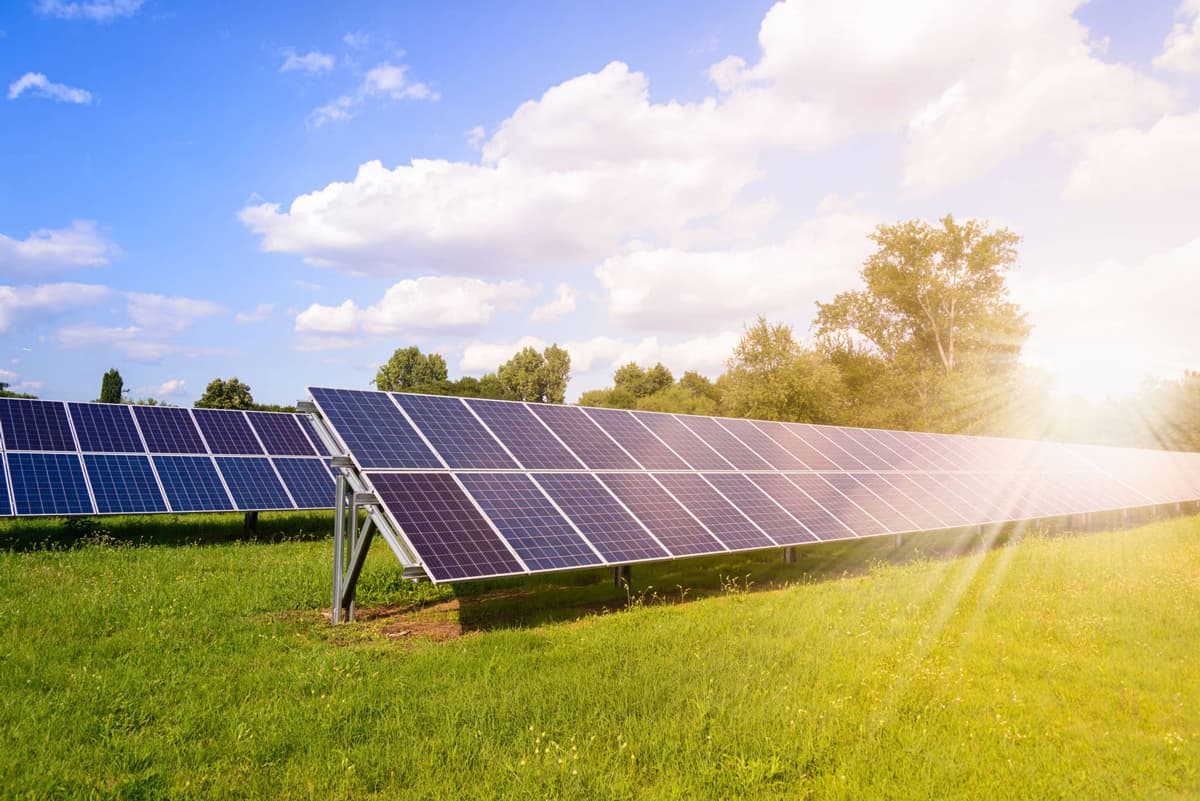
A hybrid solar system combines the best of both grid-tied and off-grid solar setups. It connects your photovoltaic (PV) solar panels to the local electrical grid while incorporating a battery storage system (such as lithium-ion or lead-acid batteries).
This setup allows you to power your home with solar energy in real time, store excess power for night or grid outages, and draw from or send electricity back to the utility grid as needed.
How Energy Flows in a Hybrid Setup
A smart hybrid inverter automatically routes energy based on production, household consumption, battery charge levels, and time-of-use grid rates.
Peak Sun (Daytime): Solar panels generate DC power. The hybrid inverter converts it to AC to run home appliances. Any excess power charges the battery bank.
Battery Full & Excess Solar: Once the battery reaches 100% capacity, additional excess solar electricity flows out to the utility grid for net metering credits.
Evening / High Tariff Hours: When solar production drops or nighttime utility rates spike, the inverter draws stored electricity from the battery to power the house.
Grid Outage: If the utility power goes down, the system automatically disconnects from the grid (islanding) and switches to backup mode within milliseconds using battery power.
Key Benefits & Trade-Offs
Uninterrupted Power Supply (UPS): Provides critical backup power during load shedding or weather-related outages.
Maximized Self-Consumption: Allows you to use almost all generated solar energy locally rather than relying heavily on grid electricity.
Time-of-Use Rate Optimization: Charges batteries from the grid when rates are low (if allowed) and discharges during peak price hours.
Higher Capital Expenditure: Batteries and specialized hybrid inverters significantly raise initial system costs compared to standard grid-tied installations.
Battery Maintenance & Lifespan: Batteries typically require replacement every 10–15 years depending on chemistry (e.g., LiFePO4 vs. Lead-Acid) and total charge cycles.